Request a quote

Get a free quote

We'll be in touch with you within 24-hours to confirm your quote.

Get a quote

Bankstown

exterior building washing blog

Building Maintenance: Pressure Cleaning for Commercial Sites

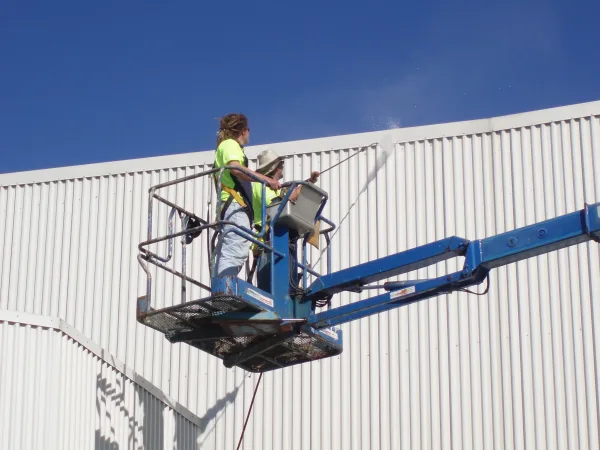
Despite being told countless times not to judge a book by its cover, most people still do. Especially new customers. For your business, the cover is your storefront and signage. So, does your building look like a fairytale or a horror story? If it’s the latter, you may want to consider a commercial building pressure wash</a.   Do I need a commercial building pressure wash? You likely wash your clothes every other day. Your car, maybe once a fortnight. You shower daily. But how often do you wash your building? When unattended to the stains, dust, marks and mildew seem to become part of the furniture. But looking at it through a new customer’s eyes, an untidy appearance doesn’t do much to instil confidence. Regular building pressure cleaning makes the job easier. It can reduce maintenance to keep your home or business looking great for years to come. Dirt, mould, algae and mildew left for a prolonged period can stain surfaces, meaning more costly repainting or rendering. Mould also presents a health risk in areas frequented by the public, such as courtyards and thoroughfares. A simple commercial pressure wash can leave your building looking as good as new. Pressure washing also helps to increase curb appeal and potentially increase property values. The minimal outlay in professional power washing before taking your space to market is sure to be a good investment.   What does a commercial building pressure wash involve? Commercial pressure washing is a very straightforward process. When you contact Kleenit for a quote, you’ll be connected to a Kleenit professional in your area. They’ll offer an estimate based on information provided, or arrange a site visit to ensure the job is accurately scoped. Most building washing is carried out in a few hours, but the time taken will depend on the square meters to be cleaned, the accumulation of dirt and complexity of the job (such as working at heights). We use a commercial hot-water pressure washing machine and biodegradable detergents to clean most surfaces, as well as manual techniques for tougher grime such as bird poo removal.   How often should I get the walls of my building cleaned? At a minimum, owners usually find it’s worth having an external commercial building clean every 6-12 months. However, some factors can make it worthwhile getting building pressure cleaning more frequently. Buildings on main roads tend to get more dust particulate on their outsides. Those close to desert areas and mining, such as the Pilbara region in WA, will be familiar with the ever-present dust that calls for frequent cleaning.   Pressure cleaning a building: how the professionals do it. Before pressure cleaning a building, we recommend checking windows, roof, and exterior moulding to note any repairs necessary. Any repairs to bricks, mortar or masonry should be made and allowed to dry for at least one week before washing.  You or a gardener may need to trim back any branches or shrubs that lean against the walls. Where required, we will cover potential hazards such as light fixtures, electric meters, and any other exterior electrical components. Kleenit will carry out a spot test on an inconspicuous part of your wall first. We make sure the force of the washer is unlikely to remove loose paint or damaged timber. We’ll usually pre-soak the surface with a low-pressure spray to loosen dirt before pressure washing. Mildew spots can be attended to by scrubbing with a diluted solution of bleach and commercial mildewcide. However, the destination of runoff will be a factor in the kind of chemicals suitable for any job.  When washing, we work in sections, spraying the water at an angle to the wall surface to get the most water and time-efficient removal of grime. Some substances, like spider webs, are nearly impossible to remove with a power washer spray, so these will be manually removed.   What other pressure cleaning services do you offer? Professional pressure washing systems use hot water, which is more effective and efficient than cold water for pressure washing and requires less detergent. It also means we’re able to use our pressure washing equipment to remove oil and grease stains from driveways.  Kleenit offers a full range of services that can help you improve your company’s first impressions, including graffiti removal, brick cleaning, line marking and commercial asset management.

forensic-cleaning-professional

Forensic cleaning: When do I need to get the professionals involved?

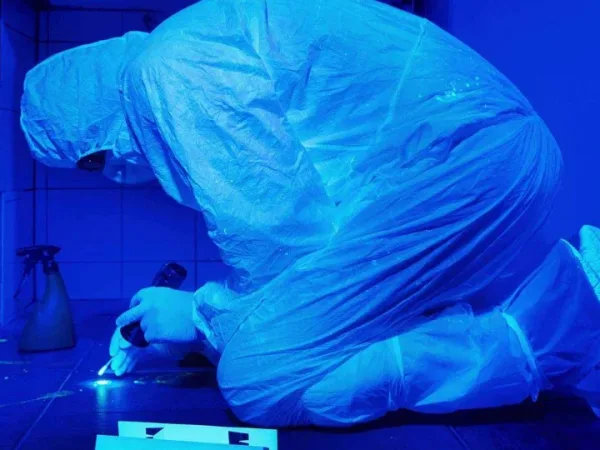
Crime scene clean up, meth lab testing and remediation, forensic cleaning: unique challenges and tasks best left to the professionals. Property owners or family members may, unfortunately, find themselves in a situation where cleaning up after a crime has been committed or someone has passed away, is necessary. If you find yourself in a situation where you require professional and sensitive treatment of a crime or death scene, a forensic cleaning service is required to remediate the health risks and return the affected area to normal. What is forensic cleaning and when are professionals required? Forensic cleaning (or crime scene cleaning) refers to the process of assessing, cleaning, sanitising and removing toxins from the scene of a crime or a death. This type of cleaning requires a high level of discretion, professionalism and sensitivity, as it goes beyond just wiping surfaces. Violent crimes or deaths can often occur in people’s homes or properties and can cause overwhelming trauma when witnessed or when a loved one is involved. Forensic cleaning ensures the area is thoroughly cleaned, removing all health hazards, and allowing victims to begin to seek closure. What are the common issues that require forensic cleaning? Common issues that require a forensic cleaning service to be performed include: Crime scenes Meth testing and remediation Drug odours and traces Biohazards such as bacteria, viruses and mould Depending on the nature of the issue in question, as an illegal or dangerous activity may be involved, emergency services might need to attend and assess the scene before a forensic cleaning service is undertaken.  How long does it take to clean up and how much does it cost? The length of time and cost of a forensic cleanup will depend on the area in question. If the case is particularly bad, emergency services may be involved for a longer period, delaying the cleaning process. The nature of forensic cleaning also demands a very extensive and unscrupulous level of attention, so a specialist cleaning company may take up to 48 hours to clean the entirety of the crime scene. Can I DIY clean forensic stains? It is highly recommended that you do not try to clean a crime scene without the help of an expert, and in some cases, it is illegal to do so on your own. The process of removing and cleaning up debris such as blood, drugs and chemicals can also be very dangerous if not performed with the necessary protective equipment and can lead to infection. So it’s best to find a reputable specialist cleaning company to do the job, but only once emergency services have attended the scene. When it comes to forensic cleaning, leave it to the professionals. Kleenit is a forensic cleaning company that will respond to emergencies immediately, with the sensitivity and professionalism required in such situations. Kleenit also offers a range of other special cleaning services in Australia, such as environmental cleaning and disinfection and commercial mould removal. Get in touch with Kleenit today for a free quote.

flake flooring application garage

What is flake flooring and what are the benefits?

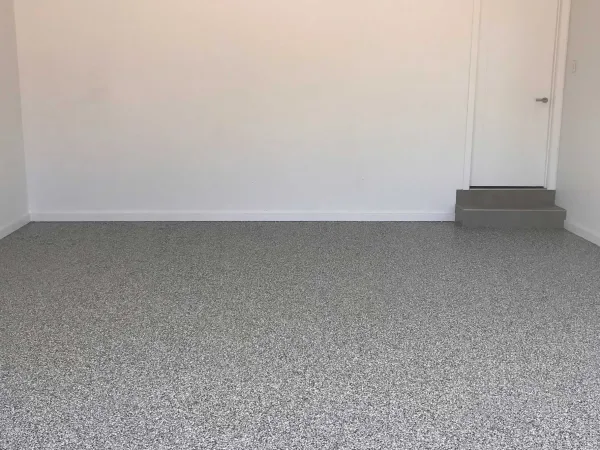
Concreted warehouses and garages are high-traffic areas, synonymous with dirt, grease and dust. But that doesn’t have to be the case for your residential or commercial space, with flakes for epoxy coating offering the perfect mix of durability from the epoxy coating and decoration from the flakes. In this blog, we cover flake flooring: what it is, benefits, cost, application and how to care for it. What is flake flooring? Flake flooring is a decorative and durable type of epoxy floor coating that can be used to protect and decorate new - or breathe life into old - concrete surfaces. The flakes are available in a multitude of different colours and sizes and are scattered (often known as broadcasting) on top of an epoxy base coat, before being covered in a clear topcoat.  What are the benefits of flake flooring and when should it be used? Flake flooring offers a visually appealing and durable coating for high-traffic, concreted areas such as warehouses, garages and driveways. The range of colours and chip sizes and textures also means that this type of floor coating can be altered to suit your desired purpose or aesthetic. Flake flooring is a great option when concrete surfaces need a much-needed boost. Stained, old, tired-looking concrete will benefit from the application of flake floor coating, improving its appearance and durability. What’s more, it offers a stain, scratch and chemical resistant surface, as it can be applied with no joins, resulting in a seamless application. What does it cost to apply flake flooring? The cost of applying flake flooring will depend on the size of the surface you want to be coated, and the current condition of the concrete. So when getting quotes from reputable floor coating companies, ensure you let them know if there are cracks, stains or bumps in the concrete, as this will need to be factored into the time required to prep, before the coating is applied. How do you apply flake flooring? An experienced epoxy and flake flooring specialist will ensure that the surface is prepped and finished correctly. The tried and tested process includes the following steps: 1. Preparation of Concrete This step is essential and must not be missed. Preparing the concrete before coating will ensure the epoxy paints penetrate the concrete and will ensure all coatings applied afterwards are long-lasting and of a high-quality. 2. Application of Primer or Sealer The next step is to apply an epoxy primer or sealer. This ensures a sufficient bond is created between the concrete and the epoxy paint. 3. Application of Epoxy Coat A coat of two-pack tinted epoxy paint is then applied on top of the primer coat. The two products bond together. 4. Flake Broadcasting Coloured flakes are broadcast onto the epoxy layer to create the decorative flake effect. Depending on the effect you are after, the flakes can be applied sparsely or in a denser pattern. 5. Application of Clear Top Coat Two coats of a clear, polyurethane paint are applied to create a scratch-resistant, durable finish. This finish can be matte or polish, depending on the desired look and feel. Caring for your flake flooring: simple tips Due to the durability and hard-wearing nature of flake and epoxy floor coatings, caring for it is quite simple. However, there are some key ways to ensure your floor coating lasts for years to come. Once installed, do not allow people to walk on the newly coated surface for at least 24 hours. It takes up to 7 days to reach optimal hardness. Remove any spills immediately. The flake floor coating is stain and water-resistant, but cleaning regularly will help to minimise wear over time. Use gentle cleaning products and mops to clean the coated floors. If your flake floor incurs any damage, get it fixed straight away to avoid additional damage. Choose an expert flake flooring specialist. Reinvigorate and extend the life of your concrete floors - get in touch with Kleenit today for a free flake flooring quote.        

pressure-cleaning-water-jetting

The dangers and pitfalls of DIY pressure cleaning

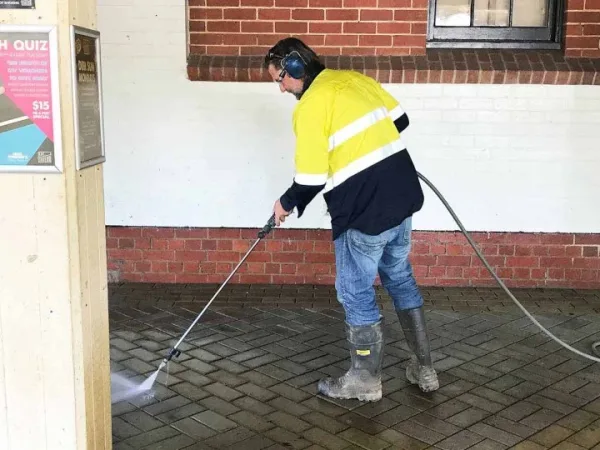
Pressure cleaning (or pressure washing) has seen a rise in popularity in recent years, as the availability of pressure cleaning machines from hardware stores has increased. This has meant an increase in the number of people trying to pressure clean their driveways, cars, paving, and decking themselves. While doing it yourself can be satisfying and cheaper at the start, when done wrong it can do more harm than good. In this blog, we cover the rise of DIY pressure cleaning, the common injuries and accidents that can occur and our tips for safe pressure cleaning.   What is high-pressure cleaning? Pressure cleaning refers to the use of high-pressure water to remove dirt, grime, dust, mud or other residues from surfaces: buildings, paving, concrete, vehicles. The stream of water can be up to 50 times stronger than a standard garden hose. Pressure cleaning can improve the look of a surface, minimise allergens and reduce hazards such as mould and bacteria.   The rise of DIY pressure cleaning The affordability of hiring or buying high-pressure cleaning equipment has lead to the rise in the number of people choosing to try it out themselves. However, although it may allow users to do it more cheaply, there has also been a rise in pressure cleaning related accidents and injuries due to the misuse of pressure cleaners.   Injuries and accidents from DIY pressure cleaning If completed by an inexperienced person, the force of the water and the pressure cleaning chemicals can cause harm to the user, as well as surrounding people and pets. Some of the most common dangers of DIY pressure cleaning include: Major cuts, bruises and lacerations to the skin Chemicals infecting open cuts and causing bacterial infections Getting pushed off ladders or roofs from sheer force of the water pressure While DIY can also cause damage to property, for instance: Windows - when water is sprayed at the wrong angle, the pressure can cause the glass to break or window mesh to rip. Window seals - high-pressure cleaners often damage the seal between glass and window frames, which can lead to water leakage, mould and fogging. Paint - paint can be damaged or removed completely. Tiles - tiling can be loosened, damaged or washed off. Wood decking - pieces of wood can be etched out of the deck and cause splinters and uneven surfaces. Limestone and concrete - chunks can be carved out by high-pressure water. Electrical - water damage can cause electrocution or electrical damage. As evidenced above, if not done properly, the risks to people and property may cost more than hiring a professional.   When to book a professional high-pressure wash? While doing it yourself can be appealing (watching the dirt wash away can be ultra-satisfying), often it is easier and safer to have a professional complete the clean for you. So to ensure a longer-lasting clean and prolong the lifespan of your property (rather than damaging it), as well as reduce the risks we mentioned above, consider leaving it to the experts. When done well, with the right equipment and technique, pressure cleaning can be the most effective and environmentally friendly method of cleaning your home or commercial property.   Choosing an expert pressure cleaning service. Whether you are looking for driveway cleaning, oil stain removal, patio cleaning or commercial building washing, Kleenit can do the job! Get in touch with Kleenit today for a free quote.

office cleaning and disinfection service

How to disinfect your office

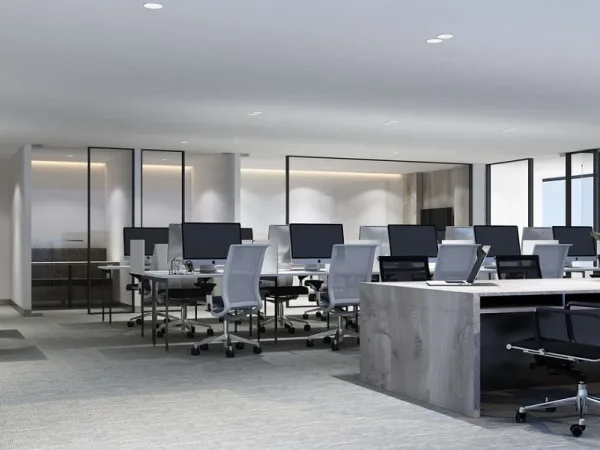
Recent social distancing measures lead to a mandatory move to remote work for many workplaces. But as workers across Australia return to the office, and as we move into flu season, we mustn’t get complacent. If anything, we need to be more diligent, putting strategies in place to maintain office cleanliness While the first line of defence is frequent hand washing by all, business owners also owe a duty of care to their employees to provide a safe working environment. So how do you ensure your office is safe? An office disinfection and deep clean​ is the way to go. What is office disinfection? Office disinfection​, as the name suggests, refers to the extensive cleaning of an office space to remove any harmful germs. More specifically, in recent times, this sort of cleaning has been necessary to reduce the spread of Coronavirus. Compared to general cleaning, that often removes visible signs of dirt and debris, the equipment and solutions used during disinfection will largely eradicate germs from surfaces, flooring, appliances and window treatment. Depending on the nature of your office or workspace, an office disinfection can be scheduled daily, weekly or monthly, particularly whilst the virus is still of major concern. What are the benefits of an office disinfection? The benefits of a disinfection service go beyond simply having a clean, germ-free office. Advantages include: Less risk of virus spread and fewer sick days, in general Germs and bacteria spread like rapid-fire in offices. Reduce the risk of employees contracting a virus or even the common cold and flu by adding a regular disinfection service​ to your cleaning schedule. Providing a cleaner germ-free work environment will mean less sick days and thus, higher productivity. A win-win. Improved employee wellbeing and morale Employees who come to work knowing it has been properly cleaned and disinfected are more likely to feel more comfortable and safe. If they feel good about their work environment, they are also more likely to feel motivated and productive. When do you need to bring in a professional disinfection service? We strongly advise that you maintain a regular cleaning schedule: wiping and sanitising surfaces, cleaning communal areas such as kitchen, bathrooms, meeting rooms. However, to ensure complete disinfection of the office​, particularly during flu season and in light of the recent Coronavirus outbreak, it's wise to get a professional disinfection service to complete the job. It also leaves more time and a safe space for you to do what you do best, running your business! What goes into disinfecting your office? An office disinfection service will most likely include a mist or spray to target germs on all surfaces: walls, desks, floors, door handles. For instance, Kleenit uses a hospital-grade disinfectant with viricidal properties (i.e it destroys viruses). Administered using foggers or mist sprayers, we are able to avoid making contact with potentially contaminated surfaces and can ensure the disinfectant makes its way into all hard to reach areas too. If you have specific cleaning requirements, it’s best to let the service provider know before they arrive so they can bring the correct equipment. Choosing a professional office disinfection service. Need to organise a professional ​disinfection and environmental cleaning of your office​? Kleenit’s services are available in Sydney, Melbourne, Hobart and Perth. For a garage floor coating that looks better for longer, professionally applied epoxy floor coatings help avoid the trap of ‘buy cheap, buy twice.’ Kleenit also offers a range of other ​special cleaning services​ in Australia. For the health and safety of your staff, ​get in touch​ with Kleenit today for a free quote.        

mould removal blog Kleenit

Mould at home? Here’s how to remove it

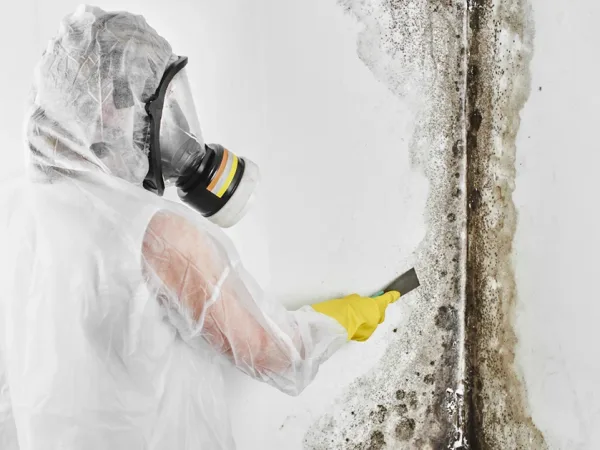
Mould is a microscopic group of fungi which exists just about everywhere on the planet, except for underwater and parts of the Arctic and Antarctic. Even if you’re in a clean room, mould spores are in the air you’re breathing now, but in small quantities, it’s unlikely to be harmful. More significant cultures of mould indoors have been linked to health complications, as well as unpleasant odours, and commercial mould removal should be considered. Mould and mildew are actually essential to the Earth’s ecosystem, helping to decompose dead organic material. Is black mould a health risk? Mycologists will tell you that it’s not possible to identify a mould with the naked eye alone. The colour of a mould structure is influenced by the a) the nutrient source and b) the age of the mould colony. The most common types of mould are Alternaria, Aspergillus, Cladosporium (the most common black mould) and Penicillium, but any mould spores could cause allergies and illness in sensitive persons who are exposed (usually when the spores are disturbed). Stachybotrys chartarum has been linked to ‘sick building syndrome’ but that claim has not widely been backed up in scientific literature. The mould has been linked to the death of an infant who had extraordinarily high exposure in the lungs, and is considered a risk in severely water-damaged buildings. Is DIY mould removal safe? We do not recommend DIY removal of large mould colonies, particularly if you suffer allergies or asthma. Heavy exposure to Cladosporium black mould has been known to trigger a reaction in some people when precautions are not taken. A Kleenit mould removal professional will use PPE, including a particulate respirator, gloves and eye protection. Mouldy smell, but no stains? Mould spores are invisible, and we usually only notice the colonies, which take a while to grow. Mould prefers areas that are warm and permanently damp. Yes, that’s why it’s the leading cause of jock-itch and athlete’s foot. Yuck! It’s also why mould is most common in the bathroom, where shower steam and damp towels help create the ideal environment for growth. The underside of carpets can also harbour mould, which is likely to be disturbed by foot traffic and be a risk to asthmatics and those with allergies. What kills mould? Bleach and vinegar can both kill mould, however vinegar is much more effective for removing mould from porous materials. Mixing the substances (or any substances) is not recommended. Even if the mould has been killed, the issues arise when getting rid of the stains that can be left behind, which takes a lot of elbow grease. Many home-remedies include a salt and baking soda mix, we’ve found to be minimally effective. That’s where a hot water high pressure comes in useful, using steam and pressure to blast away the residue from tiles, grout, metal and paint. Occasionally, where mould has permeated a surface completely, there will be a need to replace the gyprock or carpet, for example. Choosing a professional mould removal service. With Kleenit, a free initial inspection will include detailed findings and a recommended course of action to remove the mould. Following removal, we can also advise on mould prevention measures such as ventilation, sunlight entry, and ways to remove excess moisture from the affected area. Additionally, a professional mould removal service such as Kleenit will bring their own water and cleaning agents, and are covered by public liability insurance. A skilled professional reduces the chance of damage to a property and will save the property owner time. After each mould cleaning removal, we also provide a certificate of compliance - so you can rest assured that the mould threat is gone. Get a free quote for mould removal in Australia by contacting us.      

pressure-cleaning-water-jetting

Cold vs hot water high pressure cleaning

Pressure washing is useful in residential and commercial settings. There are several types of pressure washer available on the market: electric, gas-powered, residential, industrial, and of course, hot and cold. What is the main difference between a hot and cold pressure cleaning machine, and which is right for your job? Cold water pressure washing Cold water pressure washers are a lower-cost option compared to hot water pressure washers. They are usually smaller in size and require less maintenance. If you’re thinking to use hot water in the machine DON’T! A cold water pressure washer cannot handle high temperatures, which can damage the pump. Cold water pressure washing can be useful for a range of applications, such as removing mud, sand or dirt from a driveway. Where they often fail to perform is on oil and grease stains, and more caked-on grime. Some cold water pressure washing machines allow an operator to add a detergent, which can help on oily surfaces but are still generally less effective. Lastly, patience is required with cold water. It generally takes 35% longer for cold water pressure cleaners to do their job compared to hot water alternatives. Cold water pressure cleaning can be useful where grease is not an issue, such as: Removing cobwebs from awnings  Rinsing exterior building walls Washing away general dirt and sand Window washing Unsealed wooden surfaces like decking Hot water pressure washing Hot water pressure washing is recommended for greasy or oily surfaces, as well as many other applications. From automotive parts to food equipment, to cleaning barbecue stains on a patio, hot water washing is the far superior option. It’s just science. Heating grease weakens its molecular bonds so that they are only loosely attached and behave like a liquid rather than a solid. Adding detergent to the equation assists the hot water pressure washing process. According to Kärcher, an international manufacturer of cleaning equipment: every 10°C increase in temperature accelerates the chemical processes and halves the reaction times. Hot water pressure washers are generally more expensive and less portable than their cold water cousins, but there are many benefits to outweigh the cons. Best uses for hot water pressure washers Grease and oil removal Killing weeds/moss in brickwork and concrete Removing lichen and baked in dirt Eliminate up to 99% of the bacteria and germs using steam Steel, stone, brick, tile and wood (with appropriate temperature control) What products should I use with a pressure washer? A pressure washer will ship with a list of manufacturers approved products, which should be followed to avoid damage to the machine or the surface being cleaned. Usually, these are liquid detergents with a surfactant quality. Some higher-end hot water pressure washers may also have the capacity for antiviral or antimicrobial solutions, paint, or even liquid wax for protecting a car’s paintwork. Detergents do a lot of the heavy lifting with oily stains. But much like you wouldn’t choose to do the dishes with cold water; hot water makes it less of a chore. While sometimes used interchangeably, detergent is different from soap. Soap in its most basic form is usually made from a natural fat mixed with an acid. Detergents are synthetic, human-made derivatives. Detergents are also surfactants (surface active agents) which reduce water’s surface tension and improve water’s ability to spread evenly. The head of the molecule is attracted to water (hydrophilic), and the tail is attracted to grease or dirt (hydrophobic). When the detergent molecules meet oils, fats or grease, the tails are drawn into it, but the heads prefer the water. This helps detergents attach to dirt, break it up and let the water wash it away. It’s also the reason why detergents are effective in handwashing to prevent the spread of diseases such as Coronavirus. Should I hire a professional pressure washer? Using hot water is not without its risks. The combination of extreme pressure and water reaching up to 155° Celsius in temperature means great care needs to be taken in operating a hot water pressure washer. Combined with the chemicals which may be involved, there are many reasons why hot water pressure washing should be left to the professionals. Additionally, a professional hot water pressure cleaning service such as Kleenit will bring their own water and cleaning agents, and are covered by public liability insurance. A skilled professional reduces the chance of damage to a property and will save any property owner time.   Get a free quote for pressure washing in Australia by contacting Kleenit today.    

How to Keep Your Outdoor Area Looking New and Shiny - Kleenit

How to keep your outdoor area looking new and shiny

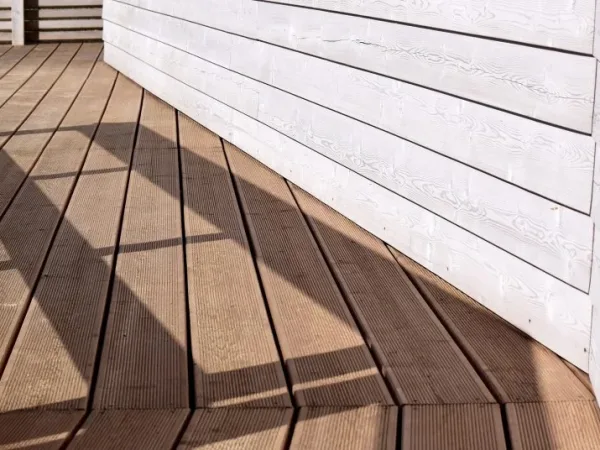
The outdoor area of your house is an extension of your living space. Keeping it looking clean, tidy, and welcoming to guests isn’t always an easy feat, especially in the winter months when weather damage may go unnoticed! Of course, homeownership comes with a certain degree of responsibility in caring for your outdoor areas. If you’re hoping to maintain or improve property values, your patio, deck and pavers should be cleaned regularly with the right tools. In the long term, you’ll be ensuring dirt and grime won’t cause irreversible deterioration. The pride of many Australian homes is often the outdoor entertaining area. Problem is, whether you have decking, patios or pavers, these features will naturally get dirty over time. Here’s a guide to maintaining outdoor areas so that they stay looking new and shiny for years to come. How to clean and maintain your deck Decks are usually made of composite materials or wood. Deck maintenance will include thorough cleaning to make sure it stays in near-perfect condition. Deck washing should, at the very least consist of a bucket of water mixed with an environmentally friendly cleaner and a scrubbing brush. Harder spots may benefit from a high pressure clean of your wooden decking. Either way, remember to wait until the surface is completely dry before using a sealant or decking oil (linseed oil is suitable for some hardwoods) to prolong its lifespan. How to clean and maintain your pavers Pavers are attractive and hard-wearing for outdoor areas. However, without correct maintenance they can lose their lustre over time. Being subjected to weather exposure can leave pavers, bricks and limestone surfaces looking mossy or muddied. If you use the space for barbecues and entertaining, food and oil stains quickly leave things looking pretty shabby. (Read how to remove oil stains from pavers). Thorough paver cleaning consists of regular washing with a spray attachment to prevent the accumulation of dirt in the pavers’ grouting. For more advanced cleaning, invest in high-pressure cleaning equipment with hot water and chemical-adding capacity, which will allow you to restore your pavers to their best condition. How to clean and maintain your patios Patios usually feature outdoor tiles, sealed to protect them from the elements such as intense sunlight or rain. Patio cleaning needs the right cleaning solutions and process to prevent damage to your tiles’ protective coating. First, sweep the surface of your patio. Then, use the garden hose to gently wash and wet the tiles. Next is the hard work bit: grab a firm-bristled scrubbing brush and an environmentally friendly cleaner, working back and forth to loosen accumulated dirt. Some tough stains, and staining of the grout may be difficult to remove by hand. If a few minutes of scrubbing doesn’t seem to help, you may want to consider a professional, high-pressure pavement washing machine to restore your patio. Considerations for hiring a professional cleaning service The upkeep of your outdoor area can be taxing, and there are occasions where it may be advantageous to use a professional cleaning service, particularly when it comes to pressure cleaning, Saving time and the money it takes to hire or buy a pressure cleaner; Usage of correct cleaning techniques to different outdoor surfaces; Ensuring that the cleaning job is effective, through the proper use of cleaning agents and how they are applied Booking for professional cleaning Keeping your outdoor areas free from dirt and grime is never going to be an easy or enjoyable task. Get a professional opinion with a free, no-obligation quote, so give Kleenit a buzz to discuss your outdoor cleaning needs.

floor coating types

A complete guide to types of floor coating and where to use them

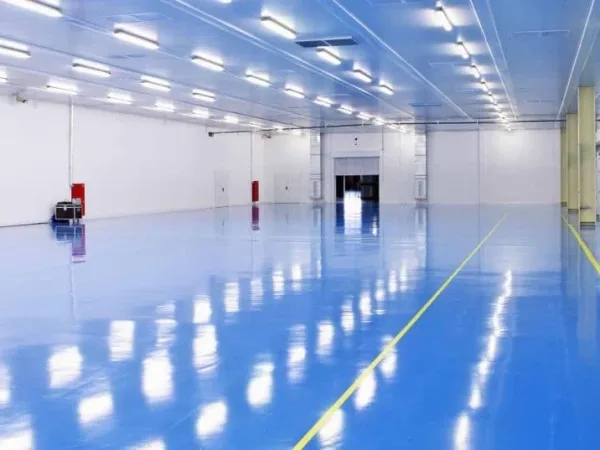
Many designers look at a space’s use as being determined by factors such as structural height, zoning, environmental cover, fixtures and fittings. One area that also must be considered is the floor, and in particular, the floor coatings that will best suit the purpose.  Floors for people Polyurethane floor coatings are softer than epoxies, meaning that they’re more comfortable to walk on and stand on for prolonged periods. These floor coatings are also relatively resistant to contaminants, and can be applied with decorative patterns Floors for machines Epoxies are an excellent choice for garage floors and warehouses as they’re an extremely hard-wearing solution. Epoxy resins form one seamless surface creating a dirt and water-resistant coating. On the plus side, epoxy flooring is generally cheaper than polyurethane. One potential drawback of epoxy is, while strong, it’s not completely scratch resistant. This can be overcome by applying a polyurethane topcoat to increase scuff resistance. Floors for speciality areas Building regulations state that floors in some industries must be non-permeable, waterproof and have no cracks where the floor adjoins the walls. Floor coatings for hospitals and surgeries, for example, must be level to the micrometre and require waterproof, flexible flooring that curves up the wall for ease of cleaning. Areas that may be at risk of liquids creating a slippery surface may require mediation with non-slip mats, tapes or fabric to ensure the safety of all people using the floor. Main types of floor coating While residential homes have traditionally chosen from wood, carpet or tile, commercial spaces often require a sturdier floor coating. Epoxy floor coatings, polyurethane resins, decorative, flake floors, polished concrete, waterproof linoleum; the type of floor coating suitable is specific to its required use. Polyurea floor resins This type of floor coating works on both internal and external floors. Polyurea floor resins are slip-resistant and have UV capabilities to help it last longer. Polyurea provides seamless coatings for floor surfaces. For example, a restaurant floor could be a be high gloss, decorative coating, while remaining resilient. When used as an external surface coating, polyurea floor resins can achieve high slip resistance and UV stability. Kleenit’s high-performance topcoats are non-porous, food-grade, and exceptionally strong. Epoxy floor coatings When you’re considering a new floor coating, you start to see it everywhere. But you may have wondered, why do some older epoxy floors start to fail and peel? Shortened longevity usually comes down to poor surface preparation. The substrate may have been damp or dirty, limiting the possibility of adhesion in some places. But when applied properly, epoxy floor coatings are perfect for garage floors, kitchen floors, showrooms and warehouses. Anti-slip floor coatings Anti-slip floor coatings have become a requirement for health and safety obligations, but it’s a simple process to make your floor coating anti-slip. The new floor coating will be slightly roughened to create a textured surface. How much for floor coating; what’s the cost? A floor coating quote will usually be calculated on price per square metre BUT it’s worth mentioning the type and condition of the floor to get an accurate quote. These factors will affect the final cost of floor coating Preparation - Larger cracks in concrete may need to be patched before any pour-on coating is used.  Pre-cleaning - Stains can show through even darker coloured floor coatings. How many stains and how deeply they have soaked into the substrate will make a difference  Moisture - Some floors need to be dried thoroughly before applying a floor coating. The substrate cannot exceed 3% humidity. Materials - Check the quality of raw materials and the experience of the tradesperson applying it. Scope - A larger square meterage will usually have a lower cost per sqm. Considerations for floor coating Before deciding on what floor coating will work best for your situation, there are a few things that are worth considering: Who will be using the floor? Employees, staff, automated lifters? What temperatures will the floor be exposed to?  Does your industry require HACCP certification? Will there be chemicals in contact with the floor?  What loads could damage the surface will support? In conclusion With so many variables for commercial floor coatings, it’s well worth getting a professional opinion as to what will best suit your organisation. Kleenit offers a free, no obligation quote service, so get in touch to discuss your flooring needs.

Kleenit Paver Sealing Process Improvement

What is floor epoxy coating and how does it work?

Epoxy resins are adhesive synthetic thermosetting polymers containing epoxide groups. Sound complicated? They’re actually one of the simplest ways to improve your floor and protect it, provided application is carried out by a professional. According to adhesives.org, epoxies provide a “rigid but tough bond lines and have excellent adhesion to metals. Chemical and environmental resistance is excellent. Most formulations have a paste consistency and can be applied by trowel or extruded as beads. They easily fill gaps and provide excellent sealing properties particularly against harsh chemicals.” How does floor epoxy coating work? Epoxy floor coatings work through a special chemical reaction caused when a resin and hardeners are mixed. The result is a robust and rigid plastic surface that binds incredibly well to most floor substrates. If you’re wondering exactly what it’s made from, it’s actually a few different components. The resin itself is made of acetone and phenol combined with epichlorohydrin (a type of liquid propylene). Phenol originally came from coal tar, but now is usually refined from petrochemicals. Once professionally mixed, and the chemical reaction is complete, the epoxy needs to be cured. After 24-48 hours (temperature/humidity dependent) it becomes strong, stable, non-reactive barrier for flooring. Once hardened, epoxy is known to withstand reactions with most common chemicals, making it the perfect choice for industrial floor applications. How is a floor epoxy coating applied? In its liquid form, epoxy is roughly the consistency of maple syrup. It can be poured onto a level or semi-level surface and spread across cracks and other floor abnormalities. Epoxy coatings can also be coloured before application, or mixed with small particles to create a vibrant flake flooring effect. Colours might be used for more than just for interior design tastes, including to designate zones and safety walkways. Epoxy might also be mixed with graded sand or quartz crystals to create a hardwearing, non-slip surface. Mortar epoxy flooring is thicker than the self-levelling mix and is usually troweled into place and levelled manually. Its texture makes it ideal for wet areas in commercial kitchens, public bathrooms, and risk areas in warehouses, showrooms or commercial tenancies. What preparation is required for an epoxy floor coating? All surfaces need to be clean and dry before epoxy application. At Kleenit, we use our commercial high-pressure cleaning equipment to do the job right. If there are large cracks or chips on a concrete floor, these will need to be filled. Smaller cracks are less of a concern, however, they will show through in a clear or semi-clear application. Oil and grease stains can also show though epoxy applications and interfere with the bonding long term. In say, a commercial garage, we’d work to use an acid removal technique prior to cleaning to clear grease from the porous material. Any fixtures that may need to be removed in future will need to be taken out and stored at this time also, which may include rack shelving and furniture. How do you cure floor epoxy coating? ‘Curing’ is the process of getting the epoxy floor coating to harden consistently. In most Australian climates, this will occur naturally in a short amount of time, especially in the warmer months. In cooler areas, heating lamps or blankets may be needed to accelerate the process (where a faster turnaround is required).    Where to get started with floor epoxy coating Epoxy floors are relatively straight-forward to apply with an expert on the job. The steps above many differ in your situation, so it’s worth getting a quote for your epoxy floor coating job. Kleenit offers free estimates for epoxy floor coating in Australia, so get in touch today.