Request a quote

Get a free quote

We'll be in touch with you within 24-hours to confirm your quote.

Get a quote

Blog

News and tips on outdoor cleaning, graffiti removal, floor coatings, pressure cleaning, special cleaning services and general property upgrades and maintenance.

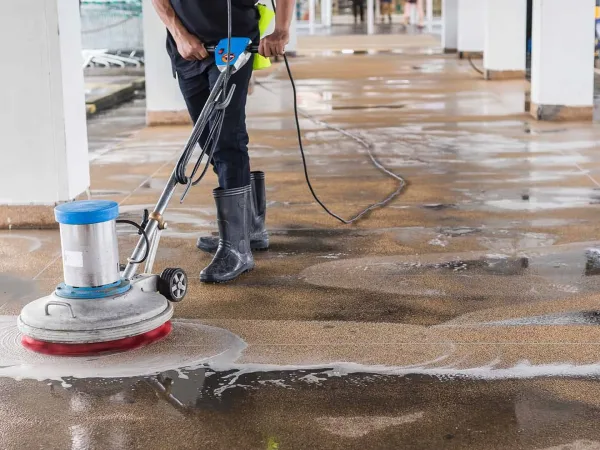
Floor Scrubbing Preparation Before Concrete Stripping and Sealing

From grinding coffee to Kleenit cash

How one man quit the daily grind in a cafe for bigger profits with a Kleenit franchise. For many, the idea of owning a business – and the freedom that comes with it – is very appealing, but there doesn’t seem to be a straightforward way to make the leap into a new endeavour. Neal Munson made two pretty large career leaps, including a move to Australia from the UK, eventually finding the right balance for lifestyle and income with a Kleenit franchise, and a turnover nearing AUD$1,000,000/annum in recent years.  Not a tradie by trade, before he began with Kleenit he admits: “I’d never done a manual day’s work with a tool. Never, apart from painting some bits and pieces around the house.” Neal started his working life at 18 as a salesperson for a printing company. He went with the company as they moved into London, became a sales director, and then took on a similar role when moving to Australia.   “Then I chucked in the towel and said we’re going to go for a lifestyle change with the cafe.” He became the co-owner of a small sandwich shop and cafe in Perth, but eventually could feel it was time to move on. In fact, looking at the numbers it was clear that the business was not going to be able to adequately support the families of both owners. Neal saw that it was time to go silent partner, stop making coffees, and look for other opportunities. In 2006, the chance to own a Kleenit territory in WA became a possibility. “I knew the people,” he says, “but then when I looked into the figures I was quite comfortable with it.”  After signing on and equipment training, Neal started with pressure washing. It was only a few short months before he picked up a large contract for anti-graffiti coatings. “I started doing small jobs. Then a big project came up in my area, valued upwards of a few hundred thousand dollars: graffiti protection for noise walls and bridges. That initial big job also introduced me to a big part of my network, the project managers and supervisors that help me know what work might be coming up.”   Franchisees get more freedom and family time with Kleenit Kleenit has become a family business for Neal. His first son worked alongside him for a few years until he was 21. “My younger son went to uni, didn’t really fancy it, and is now a part of the business. And can run a team of four or five guys when I’m away.”  Neal says he enjoys the freedom of being able to go away for two or three months of the year, but that he is definitely a workaholic: “I never turn my phone off.” He explains, “When I’m away, my son will take the lead on doing the physical work, but I’m an early riser, so I’ll get on the email at 3am in Europe to organise my paperwork, then the rest of the day is mine to enjoy.” Of the 20+ services that Kleenit offers, Neal specialises in protective coating, pressure washing and technical graffiti removal. The Kleenit franchise product base is broad, with training available to upskill to offer new services. They’re trade skills that anyone can master with practice. But Kleenit franchisees come from a wide variety of backgrounds, from bakers to bankers, sparkys to scaffolders, and many who’ve had an experience in management or owning a business.     Tips for starting a Kleenit franchise Over 14 years as a Kleenit franchisee, Neal’s success is a mix of working hard and smart.   “Kleenit has an excellent reputation, the systems are very very solid, they’re backed by three types of ISO, which is a huge benefit when you’re going for contractual work for big civil contractors or government bodies. That’s a big plus as a franchisee.” For Neal, responsiveness has proved to be one of his most powerful tools. “I try to expand my business through my contacts, and where jobs come through from head office I try to respond as quickly as possible. I think a fast response time can sometimes be what wins the work. The Kleenit job logging system means that requests come through very quickly, so if you want to be a responsive franchisee, that is a big bonus.” He admits that a franchisee needs to put the effort in, like any business, but the support of the Kleenit brand is a huge benefit.  “The backup is very good, the reputation is very good. It’s well organised, the processes: everything works. It’s a brilliant brand and a great service. It’s been going for 25 years with outstanding processes, with great credentials. “You need to have some working capital and put in the work, but if you're organised, you can sell, and you’re physically fit enough to do the job, there are big opportunities without a shadow of a doubt.”  To find out about becoming a Kleenit franchisee, and claim a territory in your region, contact Kleenit head office on 1800 255 336, or search our franchise opportunities.

pressure-cleaning-water-jetting

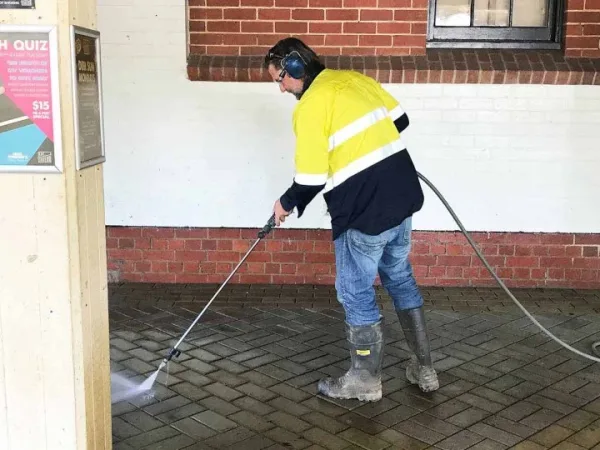
The dangers and pitfalls of DIY pressure cleaning

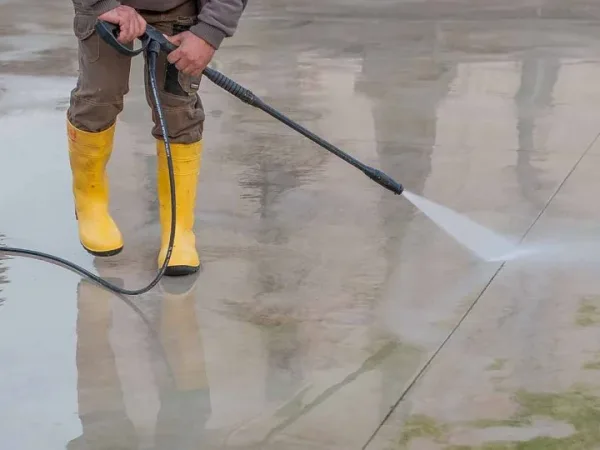
Pressure cleaning (or pressure washing) has seen a rise in popularity in recent years, as the availability of pressure cleaning machines from hardware stores has increased. This has meant an increase in the number of people trying to pressure clean their driveways, cars, paving, and decking themselves. While doing it yourself can be satisfying and cheaper at the start, when done wrong it can do more harm than good. In this blog, we cover the rise of DIY pressure cleaning, the common injuries and accidents that can occur and our tips for safe pressure cleaning.   What is high-pressure cleaning? Pressure cleaning refers to the use of high-pressure water to remove dirt, grime, dust, mud or other residues from surfaces: buildings, paving, concrete, vehicles. The stream of water can be up to 50 times stronger than a standard garden hose. Pressure cleaning can improve the look of a surface, minimise allergens and reduce hazards such as mould and bacteria.   The rise of DIY pressure cleaning The affordability of hiring or buying high-pressure cleaning equipment has lead to the rise in the number of people choosing to try it out themselves. However, although it may allow users to do it more cheaply, there has also been a rise in pressure cleaning related accidents and injuries due to the misuse of pressure cleaners.   Injuries and accidents from DIY pressure cleaning If completed by an inexperienced person, the force of the water and the pressure cleaning chemicals can cause harm to the user, as well as surrounding people and pets. Some of the most common dangers of DIY pressure cleaning include: Major cuts, bruises and lacerations to the skin Chemicals infecting open cuts and causing bacterial infections Getting pushed off ladders or roofs from sheer force of the water pressure While DIY can also cause damage to property, for instance: Windows - when water is sprayed at the wrong angle, the pressure can cause the glass to break or window mesh to rip. Window seals - high-pressure cleaners often damage the seal between glass and window frames, which can lead to water leakage, mould and fogging. Paint - paint can be damaged or removed completely. Tiles - tiling can be loosened, damaged or washed off. Wood decking - pieces of wood can be etched out of the deck and cause splinters and uneven surfaces. Limestone and concrete - chunks can be carved out by high-pressure water. Electrical - water damage can cause electrocution or electrical damage. As evidenced above, if not done properly, the risks to people and property may cost more than hiring a professional.   When to book a professional high-pressure wash? While doing it yourself can be appealing (watching the dirt wash away can be ultra-satisfying), often it is easier and safer to have a professional complete the clean for you. So to ensure a longer-lasting clean and prolong the lifespan of your property (rather than damaging it), as well as reduce the risks we mentioned above, consider leaving it to the experts. When done well, with the right equipment and technique, pressure cleaning can be the most effective and environmentally friendly method of cleaning your home or commercial property.   Choosing an expert pressure cleaning service. Whether you are looking for driveway cleaning, oil stain removal, patio cleaning or commercial building washing, Kleenit can do the job! Get in touch with Kleenit today for a free quote.

office cleaning and disinfection service

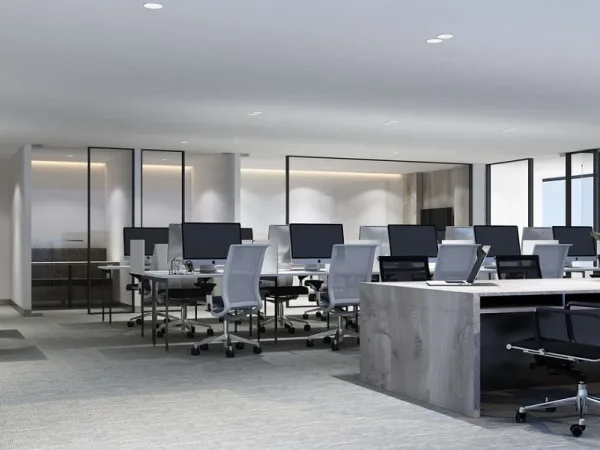
How to disinfect your office

Recent social distancing measures lead to a mandatory move to remote work for many workplaces. But as workers across Australia return to the office, and as we move into flu season, we mustn’t get complacent. If anything, we need to be more diligent, putting strategies in place to maintain office cleanliness While the first line of defence is frequent hand washing by all, business owners also owe a duty of care to their employees to provide a safe working environment. So how do you ensure your office is safe? An office disinfection and deep clean​ is the way to go. What is office disinfection? Office disinfection​, as the name suggests, refers to the extensive cleaning of an office space to remove any harmful germs. More specifically, in recent times, this sort of cleaning has been necessary to reduce the spread of Coronavirus. Compared to general cleaning, that often removes visible signs of dirt and debris, the equipment and solutions used during disinfection will largely eradicate germs from surfaces, flooring, appliances and window treatment. Depending on the nature of your office or workspace, an office disinfection can be scheduled daily, weekly or monthly, particularly whilst the virus is still of major concern. What are the benefits of an office disinfection? The benefits of a disinfection service go beyond simply having a clean, germ-free office. Advantages include: Less risk of virus spread and fewer sick days, in general Germs and bacteria spread like rapid-fire in offices. Reduce the risk of employees contracting a virus or even the common cold and flu by adding a regular disinfection service​ to your cleaning schedule. Providing a cleaner germ-free work environment will mean less sick days and thus, higher productivity. A win-win. Improved employee wellbeing and morale Employees who come to work knowing it has been properly cleaned and disinfected are more likely to feel more comfortable and safe. If they feel good about their work environment, they are also more likely to feel motivated and productive. When do you need to bring in a professional disinfection service? We strongly advise that you maintain a regular cleaning schedule: wiping and sanitising surfaces, cleaning communal areas such as kitchen, bathrooms, meeting rooms. However, to ensure complete disinfection of the office​, particularly during flu season and in light of the recent Coronavirus outbreak, it's wise to get a professional disinfection service to complete the job. It also leaves more time and a safe space for you to do what you do best, running your business! What goes into disinfecting your office? An office disinfection service will most likely include a mist or spray to target germs on all surfaces: walls, desks, floors, door handles. For instance, Kleenit uses a hospital-grade disinfectant with viricidal properties (i.e it destroys viruses). Administered using foggers or mist sprayers, we are able to avoid making contact with potentially contaminated surfaces and can ensure the disinfectant makes its way into all hard to reach areas too. If you have specific cleaning requirements, it’s best to let the service provider know before they arrive so they can bring the correct equipment. Choosing a professional office disinfection service. Need to organise a professional ​disinfection and environmental cleaning of your office​? Kleenit’s services are available in Sydney, Melbourne, Hobart and Perth. For a garage floor coating that looks better for longer, professionally applied epoxy floor coatings help avoid the trap of ‘buy cheap, buy twice.’ Kleenit also offers a range of other ​special cleaning services​ in Australia. For the health and safety of your staff, ​get in touch​ with Kleenit today for a free quote.        

mould removal blog Kleenit

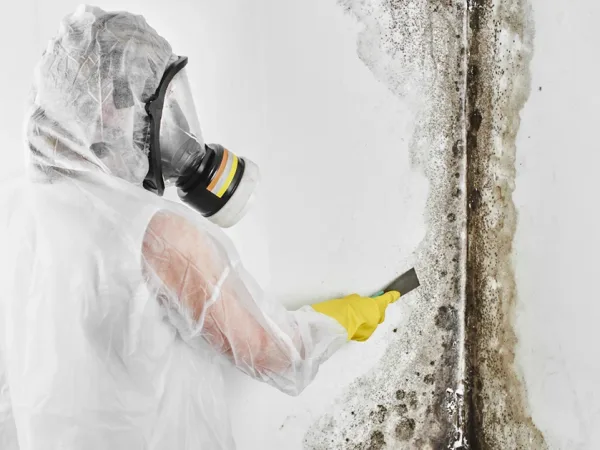
Mould at home? Here’s how to remove it

Mould is a microscopic group of fungi which exists just about everywhere on the planet, except for underwater and parts of the Arctic and Antarctic. Even if you’re in a clean room, mould spores are in the air you’re breathing now, but in small quantities, it’s unlikely to be harmful. More significant cultures of mould indoors have been linked to health complications, as well as unpleasant odours, and commercial mould removal should be considered. Mould and mildew are actually essential to the Earth’s ecosystem, helping to decompose dead organic material. Is black mould a health risk? Mycologists will tell you that it’s not possible to identify a mould with the naked eye alone. The colour of a mould structure is influenced by the a) the nutrient source and b) the age of the mould colony. The most common types of mould are Alternaria, Aspergillus, Cladosporium (the most common black mould) and Penicillium, but any mould spores could cause allergies and illness in sensitive persons who are exposed (usually when the spores are disturbed). Stachybotrys chartarum has been linked to ‘sick building syndrome’ but that claim has not widely been backed up in scientific literature. The mould has been linked to the death of an infant who had extraordinarily high exposure in the lungs, and is considered a risk in severely water-damaged buildings. Is DIY mould removal safe? We do not recommend DIY removal of large mould colonies, particularly if you suffer allergies or asthma. Heavy exposure to Cladosporium black mould has been known to trigger a reaction in some people when precautions are not taken. A Kleenit mould removal professional will use PPE, including a particulate respirator, gloves and eye protection. Mouldy smell, but no stains? Mould spores are invisible, and we usually only notice the colonies, which take a while to grow. Mould prefers areas that are warm and permanently damp. Yes, that’s why it’s the leading cause of jock-itch and athlete’s foot. Yuck! It’s also why mould is most common in the bathroom, where shower steam and damp towels help create the ideal environment for growth. The underside of carpets can also harbour mould, which is likely to be disturbed by foot traffic and be a risk to asthmatics and those with allergies. What kills mould? Bleach and vinegar can both kill mould, however vinegar is much more effective for removing mould from porous materials. Mixing the substances (or any substances) is not recommended. Even if the mould has been killed, the issues arise when getting rid of the stains that can be left behind, which takes a lot of elbow grease. Many home-remedies include a salt and baking soda mix, we’ve found to be minimally effective. That’s where a hot water high pressure comes in useful, using steam and pressure to blast away the residue from tiles, grout, metal and paint. Occasionally, where mould has permeated a surface completely, there will be a need to replace the gyprock or carpet, for example. Choosing a professional mould removal service. With Kleenit, a free initial inspection will include detailed findings and a recommended course of action to remove the mould. Following removal, we can also advise on mould prevention measures such as ventilation, sunlight entry, and ways to remove excess moisture from the affected area. Additionally, a professional mould removal service such as Kleenit will bring their own water and cleaning agents, and are covered by public liability insurance. A skilled professional reduces the chance of damage to a property and will save the property owner time. After each mould cleaning removal, we also provide a certificate of compliance - so you can rest assured that the mould threat is gone. Get a free quote for mould removal in Australia by contacting us.      

hand disinfection

Kleenit health practices during the COVID-19 pandemic

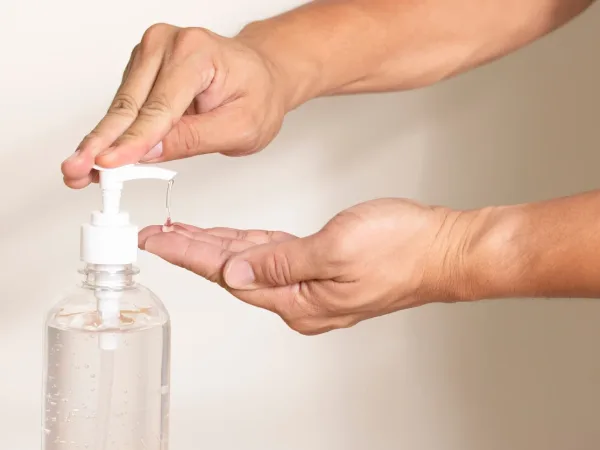
COVID-19 is the latest pandemic to impact the world with confirmed cases increasing exponentially everyday. With the absence of a vaccine, the best defence against Coronavirus is to ensure that recommended protocols are followed to prevent getting infected and control its spread. Kleenit staff are taking all precautions to keep our clients and tradespeople safe and prevent the transmission of COVID-19. Our Environmental Cleaning and Disinfection service is available for businesses, which uses a contactless method with hospital-grade disinfectant. Rest assured, our team has been briefed to follow all Government precautions at work and in personal time, including: Stay more than 1.5 metres away from people social distancing Avoid handshaking and kissing Regularly disinfect high touch areas, such as tables and benches Hold meeting via video or have clients send photos of quotations Consider opening windows for more ventilation or adjusting air conditioning   Hold essential meetings outside in the open air if possible Sanitise and wash your hand constantly especially before and after every meal  We have also ensured that invoicing and payments are made using contactless methods.  Furthermore, while we use disposable hospital-grade gloves in our operations, hand washing protocols have been reenforced. How long does Coronavirus live on a surface? Reports of the virus's longevity are being updated regularly. A study in the New England Journal of Medicine published March 17 found the virus was able to live 3 hours in the air and up to 3 days on plastic and stainless steel. On March 23, the CDC revealed traces of coronavirus were found on surfaces in Diamond Princess cabins as many as 17 days after passengers left (though it wasn’t possible to determine whether they were viable for causing infections). What kills COVID-19 (CoV-2)? Many of the myths shared online about Coronavirus, its spread and treatment have been addressed by the World Health Organisation. As of March 25, there is currently no proven vaccine or treatment that can eliminate the Novel Coronavirus from an infected person. The best course of action is to practice self-isolation and social/physical distancing where possible. To reduce the chances of transmission from skin contact, soap and water has shown to be widely effective (provided vigorous washing time exceeds 20-seconds). Hygiene experts agree that no-rinse hand sanitiser is also effective on Coronavirus strains on the skin, provided it has an alcohol content greater than 60% proof. Liquor store spirits have NOT been proven to be effective for skin or surface sanitisation (they are usually 40% abv). For surfaces, commercial-grade disinfectant is effective in reducing surface-to-person transmission.  If you are cleaning your own home, be sure to read the product label directions carefully. There may be a separate procedure for using the product as a cleaner or as a disinfectant. What services are open during the lockdown currently? Environmental cleaning services, such as those offered by Kleenit, will remain operational unless otherwise ordered. The prevention of trade applies differently to each state, so it is best to check health.gov.au, as well as your State Government health authority, for the latest information. For us, it’s business as usual, however with even greater health precautions for our customers, our team and the community. Note: We cannot assist private homes with occupants currently under self-isolation related to international/interstate travel, or under quarantine for confirmed Coronavirus infection.  The Coronavirus pandemic situation in Australia is evolving day by day. For updates, current facts and figures, travel advice, key contact and phone numbers, visit health.gov.au/ (Last updated: 27 March 2020)

pressure-cleaning-water-jetting

Cold vs hot water high pressure cleaning

Pressure washing is useful in residential and commercial settings. There are several types of pressure washer available on the market: electric, gas-powered, residential, industrial, and of course, hot and cold. What is the main difference between a hot and cold pressure cleaning machine, and which is right for your job? Cold water pressure washing Cold water pressure washers are a lower-cost option compared to hot water pressure washers. They are usually smaller in size and require less maintenance. If you’re thinking to use hot water in the machine DON’T! A cold water pressure washer cannot handle high temperatures, which can damage the pump. Cold water pressure washing can be useful for a range of applications, such as removing mud, sand or dirt from a driveway. Where they often fail to perform is on oil and grease stains, and more caked-on grime. Some cold water pressure washing machines allow an operator to add a detergent, which can help on oily surfaces but are still generally less effective. Lastly, patience is required with cold water. It generally takes 35% longer for cold water pressure cleaners to do their job compared to hot water alternatives. Cold water pressure cleaning can be useful where grease is not an issue, such as: Removing cobwebs from awnings  Rinsing exterior building walls Washing away general dirt and sand Window washing Unsealed wooden surfaces like decking Hot water pressure washing Hot water pressure washing is recommended for greasy or oily surfaces, as well as many other applications. From automotive parts to food equipment, to cleaning barbecue stains on a patio, hot water washing is the far superior option. It’s just science. Heating grease weakens its molecular bonds so that they are only loosely attached and behave like a liquid rather than a solid. Adding detergent to the equation assists the hot water pressure washing process. According to Kärcher, an international manufacturer of cleaning equipment: every 10°C increase in temperature accelerates the chemical processes and halves the reaction times. Hot water pressure washers are generally more expensive and less portable than their cold water cousins, but there are many benefits to outweigh the cons. Best uses for hot water pressure washers Grease and oil removal Killing weeds/moss in brickwork and concrete Removing lichen and baked in dirt Eliminate up to 99% of the bacteria and germs using steam Steel, stone, brick, tile and wood (with appropriate temperature control) What products should I use with a pressure washer? A pressure washer will ship with a list of manufacturers approved products, which should be followed to avoid damage to the machine or the surface being cleaned. Usually, these are liquid detergents with a surfactant quality. Some higher-end hot water pressure washers may also have the capacity for antiviral or antimicrobial solutions, paint, or even liquid wax for protecting a car’s paintwork. Detergents do a lot of the heavy lifting with oily stains. But much like you wouldn’t choose to do the dishes with cold water; hot water makes it less of a chore. While sometimes used interchangeably, detergent is different from soap. Soap in its most basic form is usually made from a natural fat mixed with an acid. Detergents are synthetic, human-made derivatives. Detergents are also surfactants (surface active agents) which reduce water’s surface tension and improve water’s ability to spread evenly. The head of the molecule is attracted to water (hydrophilic), and the tail is attracted to grease or dirt (hydrophobic). When the detergent molecules meet oils, fats or grease, the tails are drawn into it, but the heads prefer the water. This helps detergents attach to dirt, break it up and let the water wash it away. It’s also the reason why detergents are effective in handwashing to prevent the spread of diseases such as Coronavirus. Should I hire a professional pressure washer? Using hot water is not without its risks. The combination of extreme pressure and water reaching up to 155° Celsius in temperature means great care needs to be taken in operating a hot water pressure washer. Combined with the chemicals which may be involved, there are many reasons why hot water pressure washing should be left to the professionals. Additionally, a professional hot water pressure cleaning service such as Kleenit will bring their own water and cleaning agents, and are covered by public liability insurance. A skilled professional reduces the chance of damage to a property and will save any property owner time.   Get a free quote for pressure washing in Australia by contacting Kleenit today.    

How to Keep Your Outdoor Area Looking New and Shiny - Kleenit

How to keep your outdoor area looking new and shiny

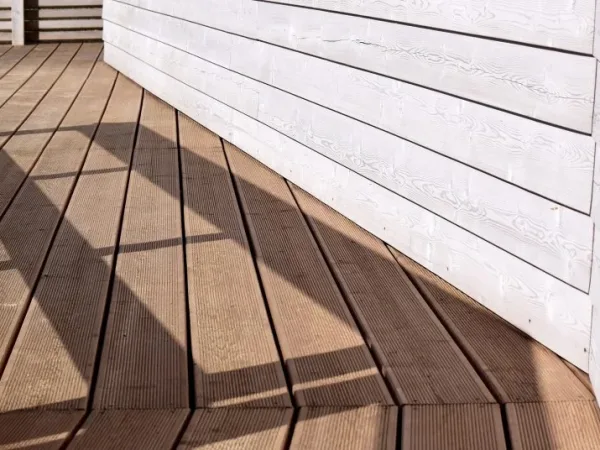
The outdoor area of your house is an extension of your living space. Keeping it looking clean, tidy, and welcoming to guests isn’t always an easy feat, especially in the winter months when weather damage may go unnoticed! Of course, homeownership comes with a certain degree of responsibility in caring for your outdoor areas. If you’re hoping to maintain or improve property values, your patio, deck and pavers should be cleaned regularly with the right tools. In the long term, you’ll be ensuring dirt and grime won’t cause irreversible deterioration. The pride of many Australian homes is often the outdoor entertaining area. Problem is, whether you have decking, patios or pavers, these features will naturally get dirty over time. Here’s a guide to maintaining outdoor areas so that they stay looking new and shiny for years to come. How to clean and maintain your deck Decks are usually made of composite materials or wood. Deck maintenance will include thorough cleaning to make sure it stays in near-perfect condition. Deck washing should, at the very least consist of a bucket of water mixed with an environmentally friendly cleaner and a scrubbing brush. Harder spots may benefit from a high pressure clean of your wooden decking. Either way, remember to wait until the surface is completely dry before using a sealant or decking oil (linseed oil is suitable for some hardwoods) to prolong its lifespan. How to clean and maintain your pavers Pavers are attractive and hard-wearing for outdoor areas. However, without correct maintenance they can lose their lustre over time. Being subjected to weather exposure can leave pavers, bricks and limestone surfaces looking mossy or muddied. If you use the space for barbecues and entertaining, food and oil stains quickly leave things looking pretty shabby. (Read how to remove oil stains from pavers). Thorough paver cleaning consists of regular washing with a spray attachment to prevent the accumulation of dirt in the pavers’ grouting. For more advanced cleaning, invest in high-pressure cleaning equipment with hot water and chemical-adding capacity, which will allow you to restore your pavers to their best condition. How to clean and maintain your patios Patios usually feature outdoor tiles, sealed to protect them from the elements such as intense sunlight or rain. Patio cleaning needs the right cleaning solutions and process to prevent damage to your tiles’ protective coating. First, sweep the surface of your patio. Then, use the garden hose to gently wash and wet the tiles. Next is the hard work bit: grab a firm-bristled scrubbing brush and an environmentally friendly cleaner, working back and forth to loosen accumulated dirt. Some tough stains, and staining of the grout may be difficult to remove by hand. If a few minutes of scrubbing doesn’t seem to help, you may want to consider a professional, high-pressure pavement washing machine to restore your patio. Considerations for hiring a professional cleaning service The upkeep of your outdoor area can be taxing, and there are occasions where it may be advantageous to use a professional cleaning service, particularly when it comes to pressure cleaning, Saving time and the money it takes to hire or buy a pressure cleaner; Usage of correct cleaning techniques to different outdoor surfaces; Ensuring that the cleaning job is effective, through the proper use of cleaning agents and how they are applied Booking for professional cleaning Keeping your outdoor areas free from dirt and grime is never going to be an easy or enjoyable task. Get a professional opinion with a free, no-obligation quote, so give Kleenit a buzz to discuss your outdoor cleaning needs.

floor coating types

A complete guide to types of floor coating and where to use them

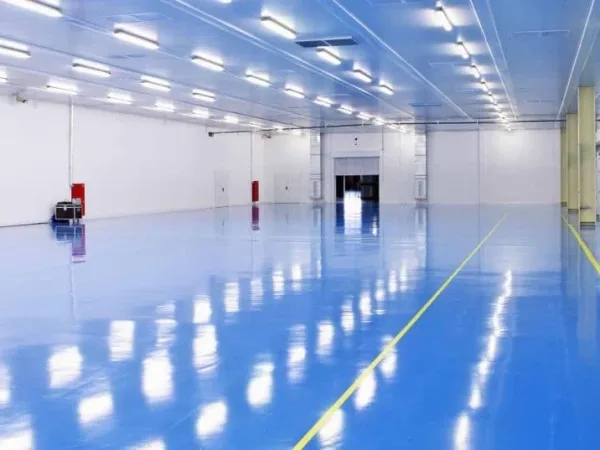
Many designers look at a space’s use as being determined by factors such as structural height, zoning, environmental cover, fixtures and fittings. One area that also must be considered is the floor, and in particular, the floor coatings that will best suit the purpose.  Floors for people Polyurethane floor coatings are softer than epoxies, meaning that they’re more comfortable to walk on and stand on for prolonged periods. These floor coatings are also relatively resistant to contaminants, and can be applied with decorative patterns Floors for machines Epoxies are an excellent choice for garage floors and warehouses as they’re an extremely hard-wearing solution. Epoxy resins form one seamless surface creating a dirt and water-resistant coating. On the plus side, epoxy flooring is generally cheaper than polyurethane. One potential drawback of epoxy is, while strong, it’s not completely scratch resistant. This can be overcome by applying a polyurethane topcoat to increase scuff resistance. Floors for speciality areas Building regulations state that floors in some industries must be non-permeable, waterproof and have no cracks where the floor adjoins the walls. Floor coatings for hospitals and surgeries, for example, must be level to the micrometre and require waterproof, flexible flooring that curves up the wall for ease of cleaning. Areas that may be at risk of liquids creating a slippery surface may require mediation with non-slip mats, tapes or fabric to ensure the safety of all people using the floor. Main types of floor coating While residential homes have traditionally chosen from wood, carpet or tile, commercial spaces often require a sturdier floor coating. Epoxy floor coatings, polyurethane resins, decorative, flake floors, polished concrete, waterproof linoleum; the type of floor coating suitable is specific to its required use. Polyurea floor resins This type of floor coating works on both internal and external floors. Polyurea floor resins are slip-resistant and have UV capabilities to help it last longer. Polyurea provides seamless coatings for floor surfaces. For example, a restaurant floor could be a be high gloss, decorative coating, while remaining resilient. When used as an external surface coating, polyurea floor resins can achieve high slip resistance and UV stability. Kleenit’s high-performance topcoats are non-porous, food-grade, and exceptionally strong. Epoxy floor coatings When you’re considering a new floor coating, you start to see it everywhere. But you may have wondered, why do some older epoxy floors start to fail and peel? Shortened longevity usually comes down to poor surface preparation. The substrate may have been damp or dirty, limiting the possibility of adhesion in some places. But when applied properly, epoxy floor coatings are perfect for garage floors, kitchen floors, showrooms and warehouses. Anti-slip floor coatings Anti-slip floor coatings have become a requirement for health and safety obligations, but it’s a simple process to make your floor coating anti-slip. The new floor coating will be slightly roughened to create a textured surface. How much for floor coating; what’s the cost? A floor coating quote will usually be calculated on price per square metre BUT it’s worth mentioning the type and condition of the floor to get an accurate quote. These factors will affect the final cost of floor coating Preparation - Larger cracks in concrete may need to be patched before any pour-on coating is used.  Pre-cleaning - Stains can show through even darker coloured floor coatings. How many stains and how deeply they have soaked into the substrate will make a difference  Moisture - Some floors need to be dried thoroughly before applying a floor coating. The substrate cannot exceed 3% humidity. Materials - Check the quality of raw materials and the experience of the tradesperson applying it. Scope - A larger square meterage will usually have a lower cost per sqm. Considerations for floor coating Before deciding on what floor coating will work best for your situation, there are a few things that are worth considering: Who will be using the floor? Employees, staff, automated lifters? What temperatures will the floor be exposed to?  Does your industry require HACCP certification? Will there be chemicals in contact with the floor?  What loads could damage the surface will support? In conclusion With so many variables for commercial floor coatings, it’s well worth getting a professional opinion as to what will best suit your organisation. Kleenit offers a free, no obligation quote service, so get in touch to discuss your flooring needs.

Kleenit Paver Sealing Process Improvement

What is floor epoxy coating and how does it work?

Epoxy resins are adhesive synthetic thermosetting polymers containing epoxide groups. Sound complicated? They’re actually one of the simplest ways to improve your floor and protect it, provided application is carried out by a professional. According to adhesives.org, epoxies provide a “rigid but tough bond lines and have excellent adhesion to metals. Chemical and environmental resistance is excellent. Most formulations have a paste consistency and can be applied by trowel or extruded as beads. They easily fill gaps and provide excellent sealing properties particularly against harsh chemicals.” How does floor epoxy coating work? Epoxy floor coatings work through a special chemical reaction caused when a resin and hardeners are mixed. The result is a robust and rigid plastic surface that binds incredibly well to most floor substrates. If you’re wondering exactly what it’s made from, it’s actually a few different components. The resin itself is made of acetone and phenol combined with epichlorohydrin (a type of liquid propylene). Phenol originally came from coal tar, but now is usually refined from petrochemicals. Once professionally mixed, and the chemical reaction is complete, the epoxy needs to be cured. After 24-48 hours (temperature/humidity dependent) it becomes strong, stable, non-reactive barrier for flooring. Once hardened, epoxy is known to withstand reactions with most common chemicals, making it the perfect choice for industrial floor applications. How is a floor epoxy coating applied? In its liquid form, epoxy is roughly the consistency of maple syrup. It can be poured onto a level or semi-level surface and spread across cracks and other floor abnormalities. Epoxy coatings can also be coloured before application, or mixed with small particles to create a vibrant flake flooring effect. Colours might be used for more than just for interior design tastes, including to designate zones and safety walkways. Epoxy might also be mixed with graded sand or quartz crystals to create a hardwearing, non-slip surface. Mortar epoxy flooring is thicker than the self-levelling mix and is usually troweled into place and levelled manually. Its texture makes it ideal for wet areas in commercial kitchens, public bathrooms, and risk areas in warehouses, showrooms or commercial tenancies. What preparation is required for an epoxy floor coating? All surfaces need to be clean and dry before epoxy application. At Kleenit, we use our commercial high-pressure cleaning equipment to do the job right. If there are large cracks or chips on a concrete floor, these will need to be filled. Smaller cracks are less of a concern, however, they will show through in a clear or semi-clear application. Oil and grease stains can also show though epoxy applications and interfere with the bonding long term. In say, a commercial garage, we’d work to use an acid removal technique prior to cleaning to clear grease from the porous material. Any fixtures that may need to be removed in future will need to be taken out and stored at this time also, which may include rack shelving and furniture. How do you cure floor epoxy coating? ‘Curing’ is the process of getting the epoxy floor coating to harden consistently. In most Australian climates, this will occur naturally in a short amount of time, especially in the warmer months. In cooler areas, heating lamps or blankets may be needed to accelerate the process (where a faster turnaround is required).    Where to get started with floor epoxy coating Epoxy floors are relatively straight-forward to apply with an expert on the job. The steps above many differ in your situation, so it’s worth getting a quote for your epoxy floor coating job. Kleenit offers free estimates for epoxy floor coating in Australia, so get in touch today.

High Pressure Cleaning

Surprising benefits of professional high pressure cleaning

Of the many home DIY jobs, high pressure cleaning looks deceptively simple. If you’re thinking of renting a high-pressure cleaner from the hardware store to give cleaning the patio a crack, there are actually many advantages of getting a professional hot water high pressure cleaning service such as Kleenit. Hiring a basic DIY machine will likely set you back around $40-$50 a day, plus chemicals, the bond, garden-protection sheets, and whatever time it takes to actually collect it. But the real savings of hiring a professional pressure cleaning service comes from the time saved in actually doing the clean. An entry-level cold water machine is going to be next to useless on greasy stains, such as those on a driveway or barbecue area. A single square metre can take multiple passes with a pressure cleaning wand without the right tools or detergents. There’s also a risk of damage cleaning around windows and stripping painted surfaces. Depending on whether the surface is brick, concrete, tile, wood, or something else entirely, your pressure cleaning may require specialised processes and chemicals. All of these are built into the price when choosing a professional high-pressure cleaning service. Lastly, pressure cleaning can be dangerous, especially on sloped surfaces such as a roof or driveway. Water, detergents and algae or moss make a DIY job at heights that much more dangerous. How much does high pressure cleaning cost? Simple high pressure cleaning on ground level starts at around $150 for 30 square metres; however, the price can vary with the scope of the square meterage, roof cleaning, or more difficult stain situations. For a more accurate estimate, arrange a free quote. How does professional high pressure washers differ? You’ll see that a Kleenit vehicle is fully equipped with custom, heavy-duty equipment. A heated water tank means it’s rare for us to need a home or business’ water. The pressure sprayer machine is petrol driven, giving it more grunt. The Bar or Spitwater – the recommended machines used by Kleenit – are capable of outputting 5000psi through a focused jet wand. Its adjustable nozzles offer versatility for projects, along with the capability to mix detergents or spray sealants as and when they’re needed. A professional high pressure cleaning service provider will also carry guards and tape to protect gardens, doors and windows, so they aren’t sprayed with dirt or water during the clean. Why a professional will save you more in the long run The Kleenit crew don’t just clean driveways, pool surrounds, pathways and patios - we can seal them too. The porous nature of many bricks and concrete means that unsealed hard surfaces soak up dirt and grime. But protecting your investment long term is easy. Following a professional high pressure cleaning service, you may opt for driveway sealing, which will help mitigate further oil and grease staining. Sealing can also be carried out with coloured paint to give you exterior areas a fresh new look. Whichever you choose, Kleenit’s full range of cleaning and sealing services means you’ll need high pressure cleaning much less frequently and keep your property looking it top shape!

Kleenit delivers fantastic earning opportunities.